
At Venture Scotland, we believe every young person deserves the opportunity to build confidence, discover new strengths, and feel a sense of belonging. In this blog, Kieran shares his journey, showing how outdoor adventure and supportive group experiences can help open up new possibilities for the future.
Before Venture Scotland, my life felt empty. I had gone straight from school into college, then I made mistakes and I had to face the consequences. After spending time in the criminal justice system, I felt as if I had just been thrown back into the world and expected to get on with things.
People would say, “Right, off you go, back to normal.” But I didn’t know what normal meant anymore. I felt lost, scared, and very alone. Alone is probably the biggest word for it. I had always been a bit of a loner anyway, but after everything that happened. I shut myself off completely, partly to protect myself and partly because I honestly believed my life was ruined. I didn’t feel like I had a future.
Venture Scotland came onto my radar almost by chance. I had been referred to an occupational therapist for my mental health, and a student assistant mentioned an outdoor development course for young people. I took the leaflet because I thought, “It’s not going to hurt, is it?”
My social worker thought it sounded like a safer way to ease back into society and came with me to the first meeting. If that leaflet hadn’t been there, I don’t think I would ever have heard of Venture Scotland.
What made Venture Scotland different was that it didn’t feel like another service telling me what I couldn’t do. When my history came up, the response wasn’t, “You can’t do this.” It was, “We’ll work with it.” That openness mattered because other opportunities had felt closed off.
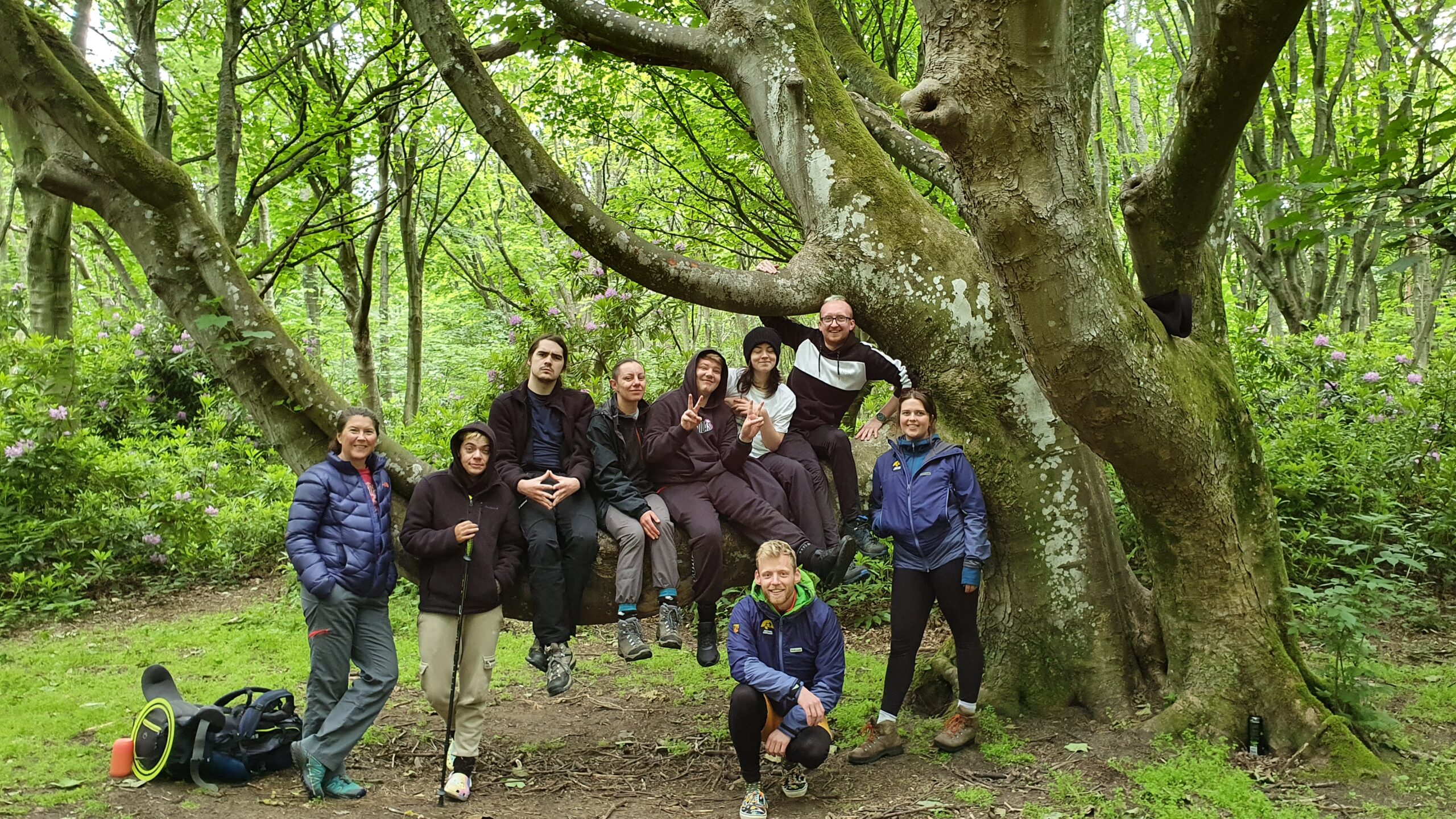
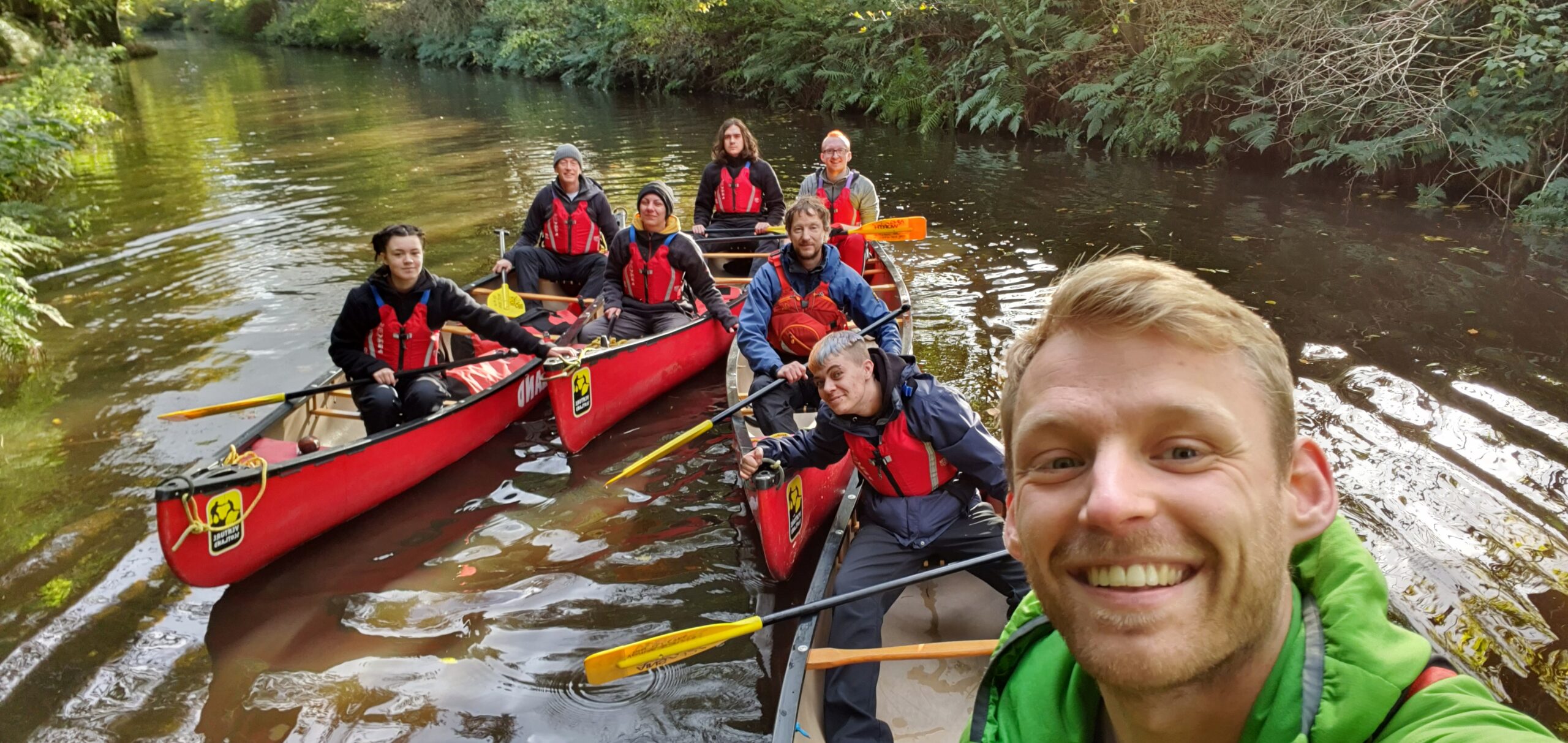
Coming into a group was still a big thing. Up until then I had been almost entirely isolated, but being with people of a similar age, with different backgrounds and some similar experiences, took the pressure off. Very quickly I thought, “This feels better. This feels nicer. This is what I want in my life.”
Before the programme, I was terrified of going outside. I would cover my face and dress in a way that helped me feel hidden. I was broken. I didn’t feel like I had any skills or confidence. I wouldn’t speak to anybody. I didn’t think I had any job prospects because I didn’t even know what I could do as a person. But Venture Scotland helped me build resilience and see that I had skills. At first, even applying for jobs felt impossible. If I didn’t get something, it felt like proof I would never move forward. Over time, I learned to accept that if one opportunity hadn’t worked out, it was okay to just try something else.
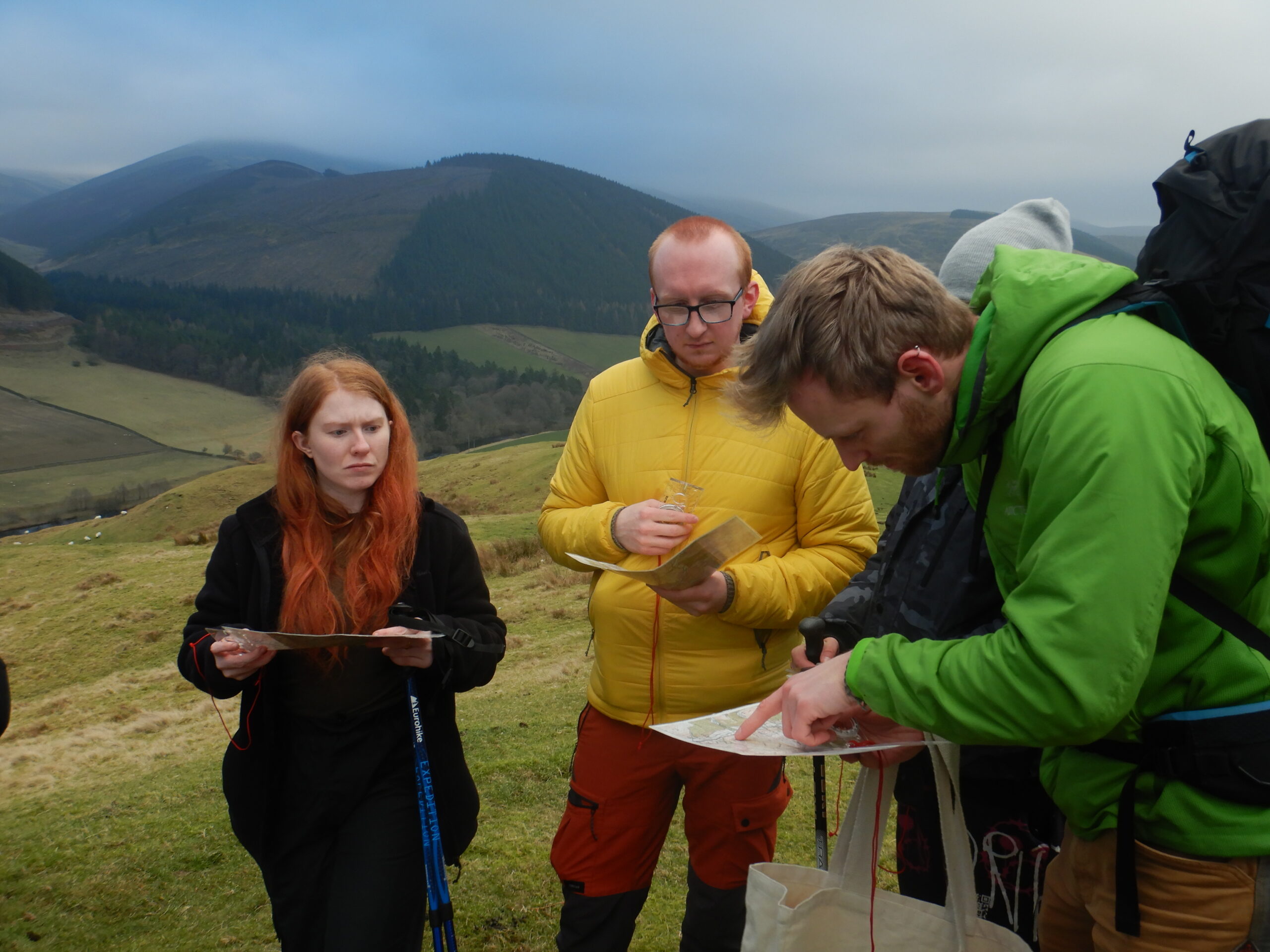
After Venture Scotland, I started volunteering with the Pentland Hills Voluntary Ranger Service. The skills from the programme were fresh in my mind (route cards, planning, expeditions and teamwork), and I could give real examples in the interview.
The programme also helped me understand my emotions. I still have a copy of the emotion wheel on my phone. It taught me to identify what I was feeling, put language to it, and ask, “What can I do with this?”
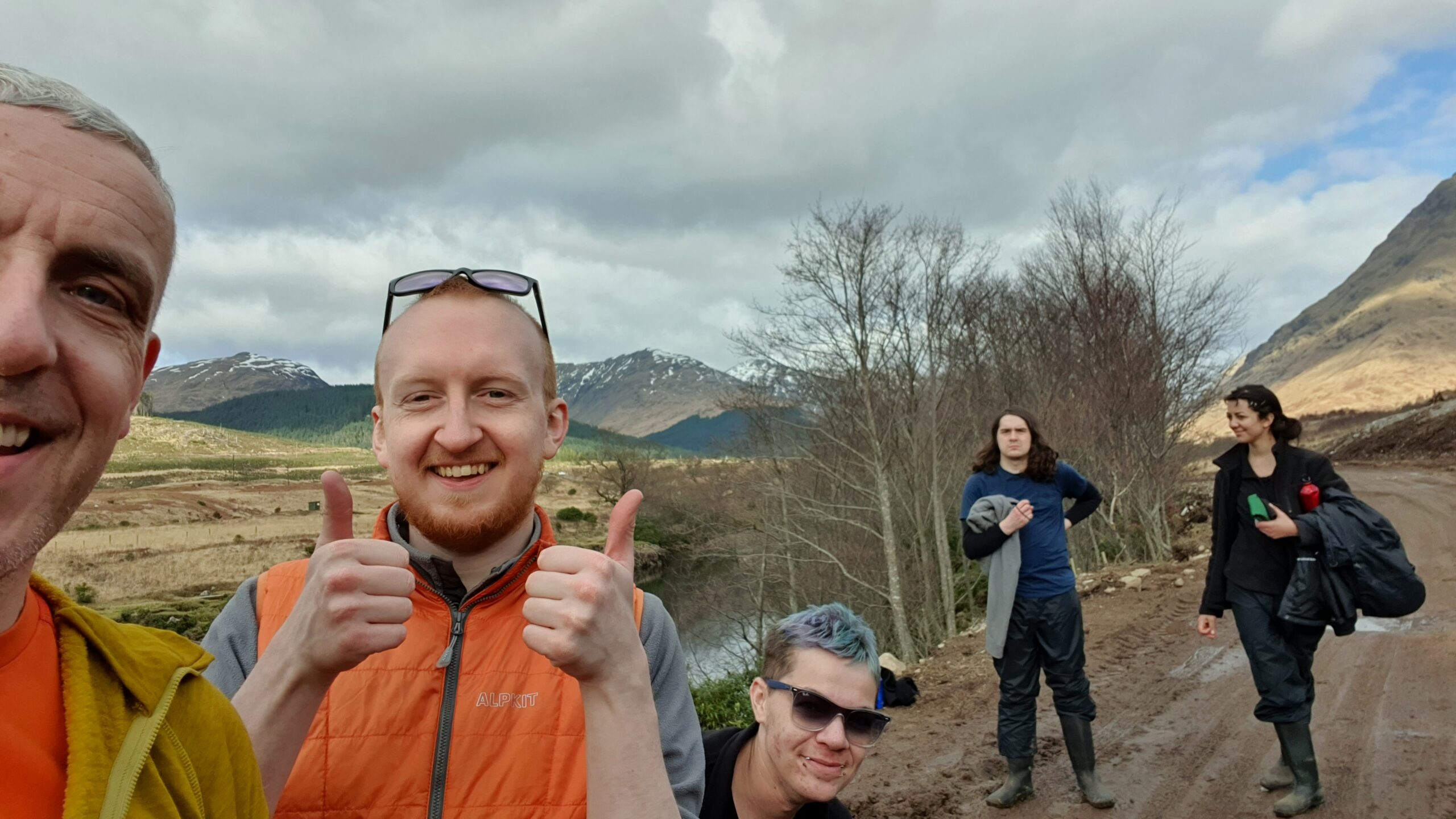
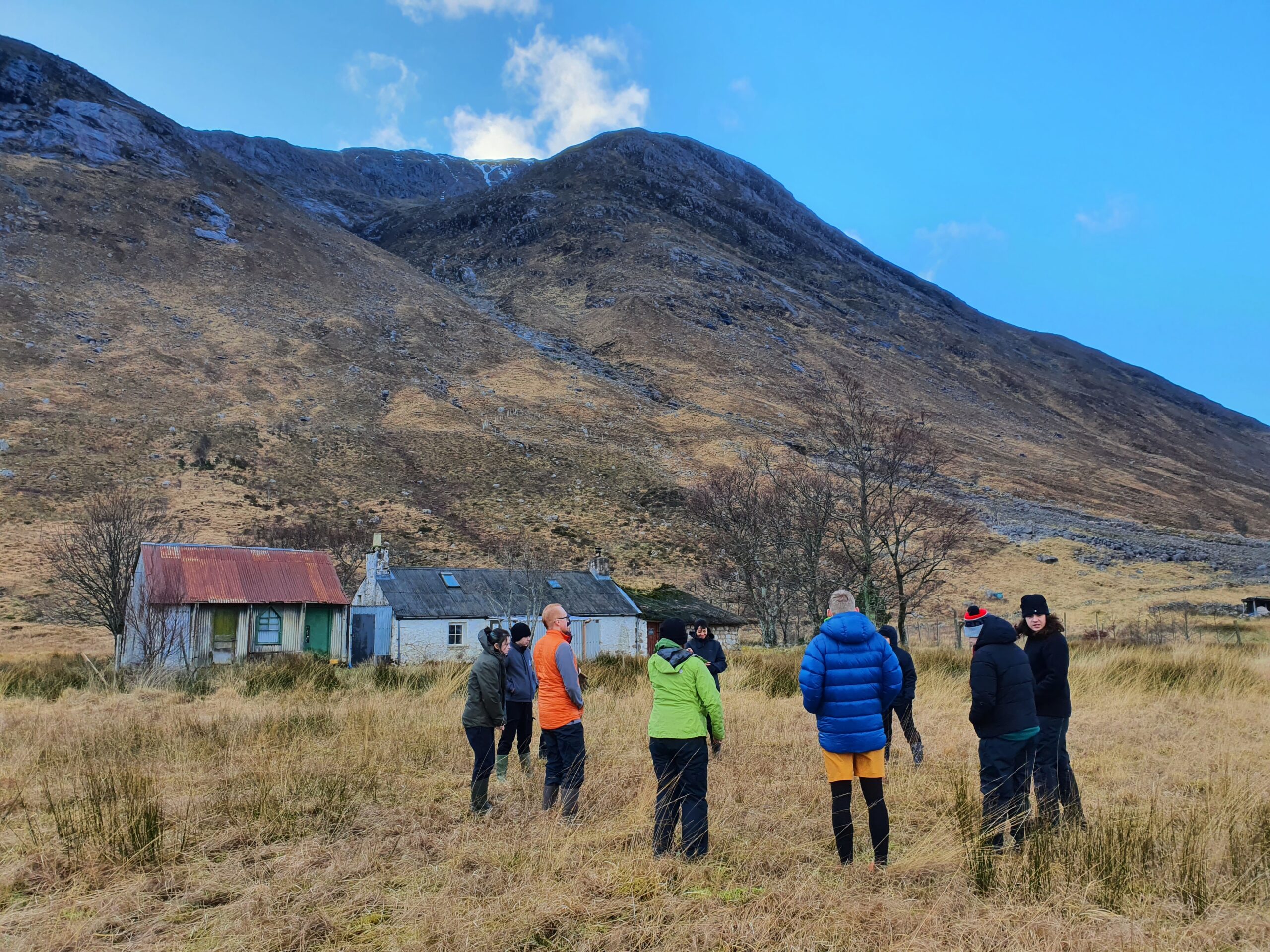
One of the hardest and most healing moments happened at Glen Etive. We wrote a negative word on a chalkboard, a label we carried about ourselves, or that others might put on us. There was only one word I felt I could write, and it was tied to my past. I wanted to do it, but I was terrified of everyone’s reaction.
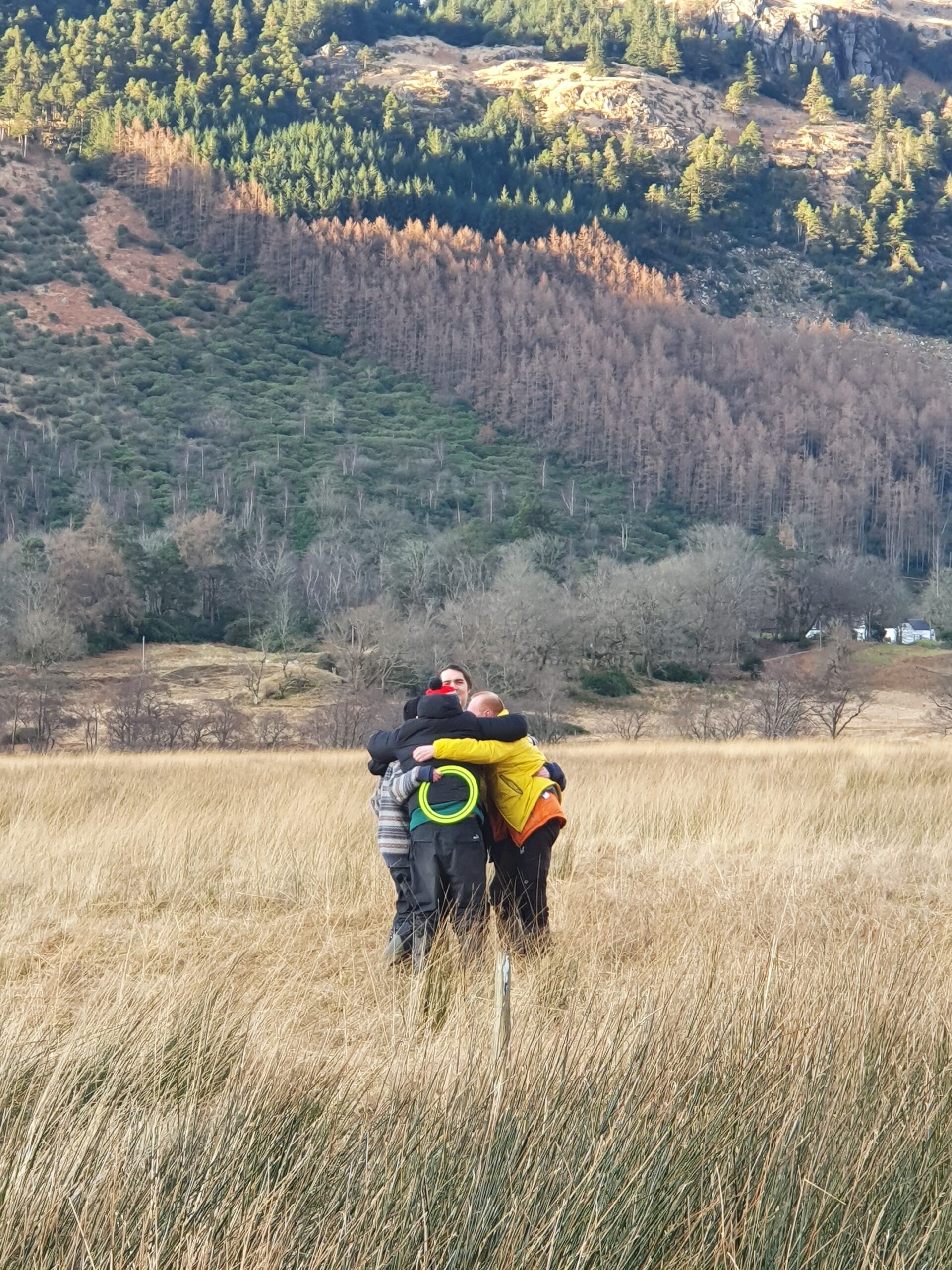
When I wrote mine, I broke down and walked out into the marshes. I kept thinking, “I’ve done it. I can’t go back now.” But when I came back, everyone hugged me. They said, “We don’t care. That is not you. We know who you are now.” It was the first time I had taken that label and said, “This is not me.” Their reaction gave me the first real glint of hope that things could be different.
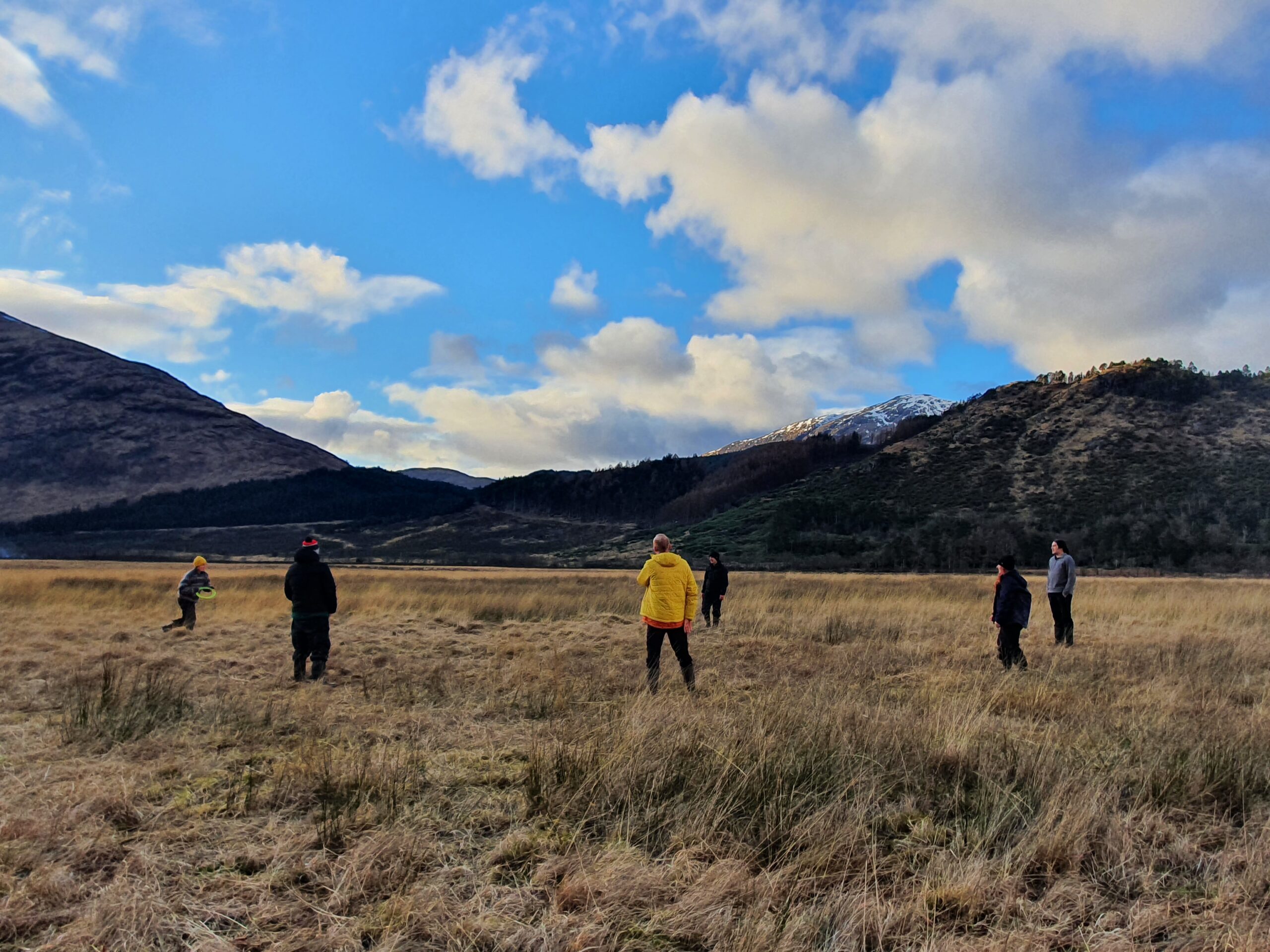
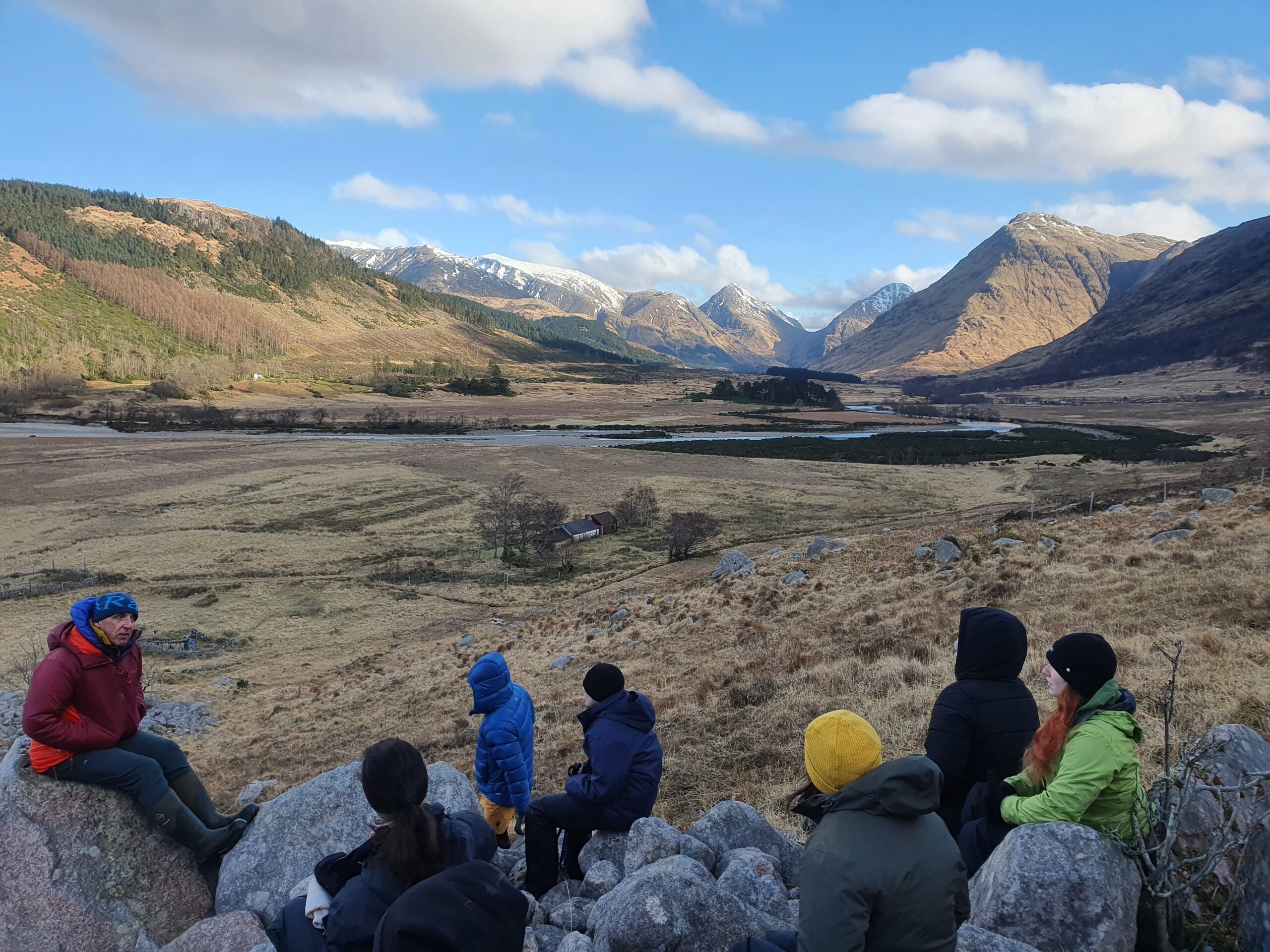
Another moment that stayed with me was also at Glen Etive. Near the end, we wrote letters to each other and went away to read them around the valley. By then, I had a deep connection with the group, and they are the people I have stayed in touch with since.
Reading those notes, I let myself cry. Afterwards, we came back together; someone was playing the ukulele, others were throwing a ball around, and eventually we ended up in a big group hug. It sounds like something from a film, but it felt out of this world. In that moment I accepted who I was, where I was, and that I did have a future.
My life now is very different. I have a job with the council, which still sounds hilarious because I never imagined I would work for a local authority. I started in operations and maintenance, and now I also do security. I enjoy going to work, feel like I’m good at it, and get good feedback from my manager and team.
At work, I’m proactive. I organise things, create systems, notice what needs fixing and speak up. Before, I would have stayed silent, waiting to be told what to do. Now I can use my voice.
I also have friends and a social circle. Most of the people in my life now are connected to Venture Scotland in some way. Those relationships have lasted, which I never expected. I used to think that once I stepped outside the door, I would go back into isolation. But that didn’t happen.
I still reflect on Venture Scotland all the time. It comes up in conversations with friends. I still use the tools. I still think about the organisation, the people, and the impact it had on me. If I see funding opportunities through work, I think about passing them on. I know from firsthand experience how important this kind of support is.
Venture Scotland helped me find a way back into the world.
Know someone who could benefit from this experience? Help change a life by pointing them our way – share the opportunity and encourage them to take that first step with Venture Scotland today.