
At Venture Scotland, we believe every person deserves the opportunity to build confidence, discover new strengths, and feel a sense of belonging. In this blog, Pauline shares her journey in recovery, showing how outdoor adventure and supportive group experiences can help open up new possibilities for the future.
When I joined Venture Scotland, I felt like I kept hitting the same wall. My recovery didn’t look like everybody else’s. I’d been through detox and was going to recovery cafés, but I didn’t have a drug worker anymore. I’d sacked mine after being knocked back from rehab because, at the time, I thought, “If you can’t get me into rehab, what’s the point?” I was close-minded about where help could come from.
My addiction and mental health have always been tied together, and I need to stay mentally well for my addiction to stay at bay. I was also grieving deeply after losing my daughter. I didn’t always know whether I was unwell or grieving, or both. My way of surviving was to get up every day and show up, because if I stopped, I was frightened of where I’d end up.
Life before Venture On was isolated. After years trying to get clean, and after lockdown, I’d gone about five years without properly interacting with people outside my family. Even at recovery cafés, I’d stay for an hour or two, then go back into my own wee world.
I didn’t know who I was anymore, or who I was sober. In a room, I’d attach myself to one person because that felt safer. If something felt off, I shut it down and cut people off. That was my coping mechanism.
I first heard about Venture On through people at the recovery cafés. Alexis and Kev had done it, and I saw a big change in Alexis. They told me it was something I’d enjoy, and without them I don’t think I’d ever have heard about it.
I referred myself, turned up on the day by myself, did the wee interview with Denise, and then got a text saying I’d got a place. I was buzzing. It felt like the next step. I’d done detox and recovery work; now I needed personal development. I needed to learn how to be around people again and get to know myself.
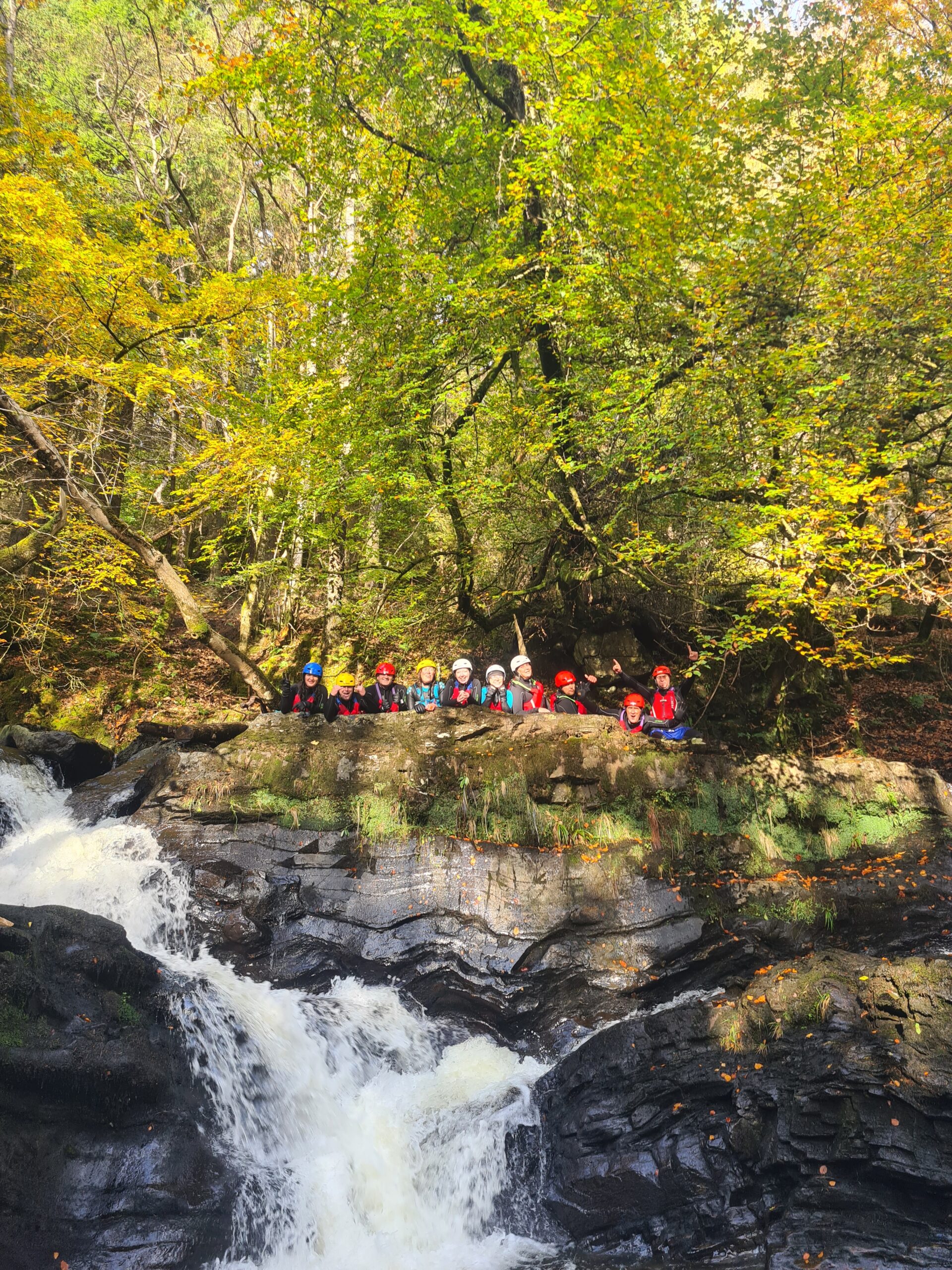
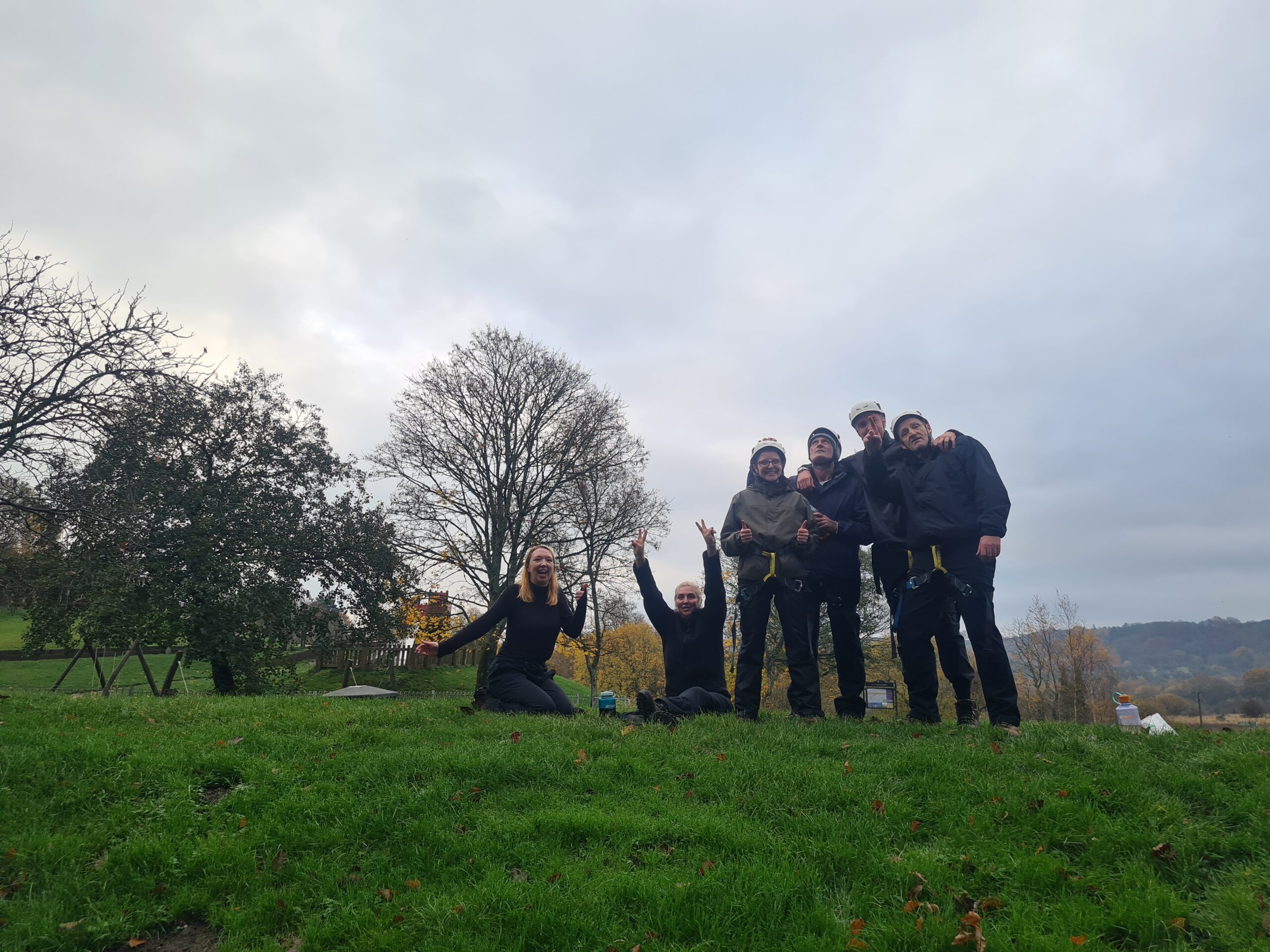
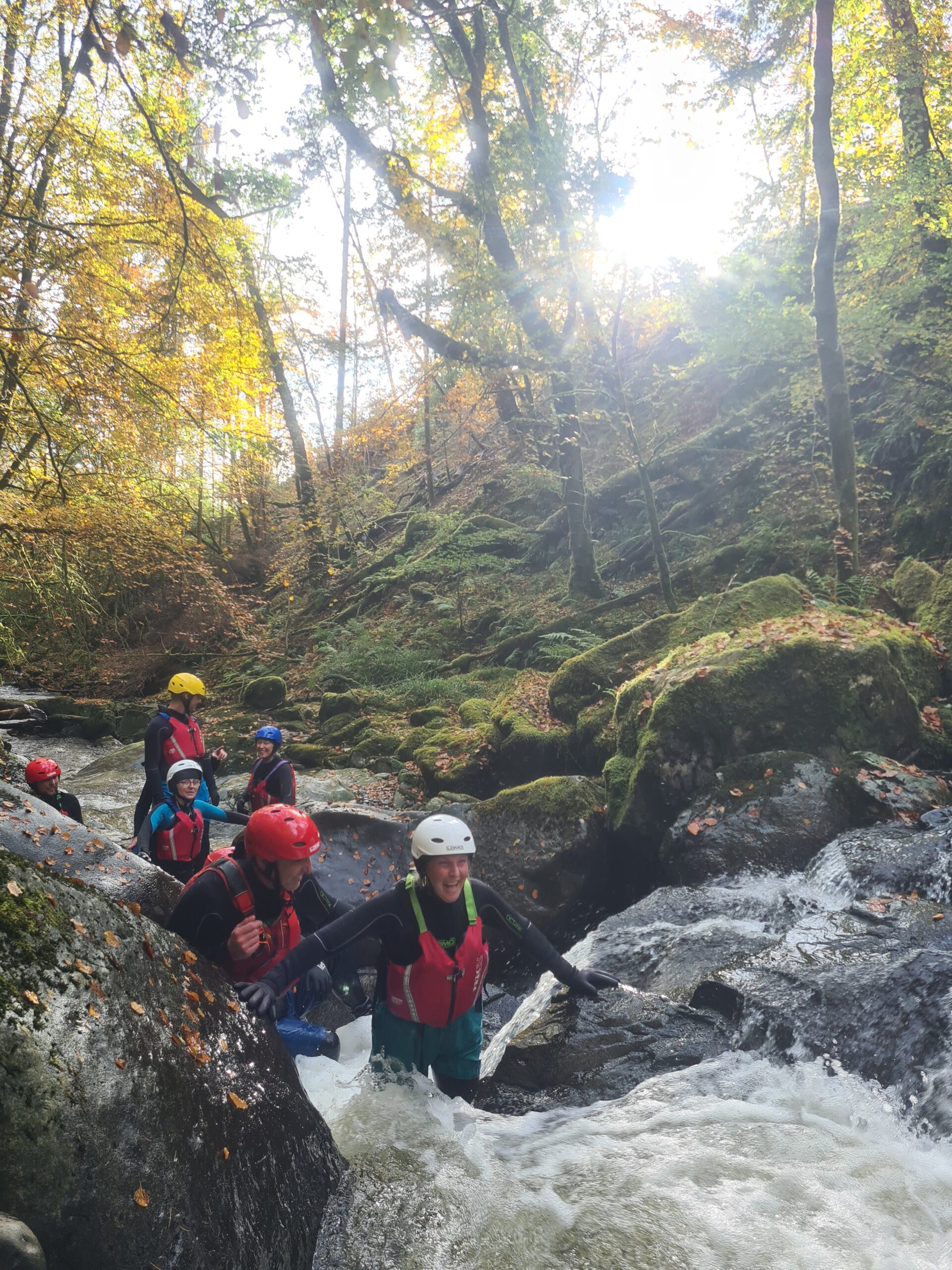
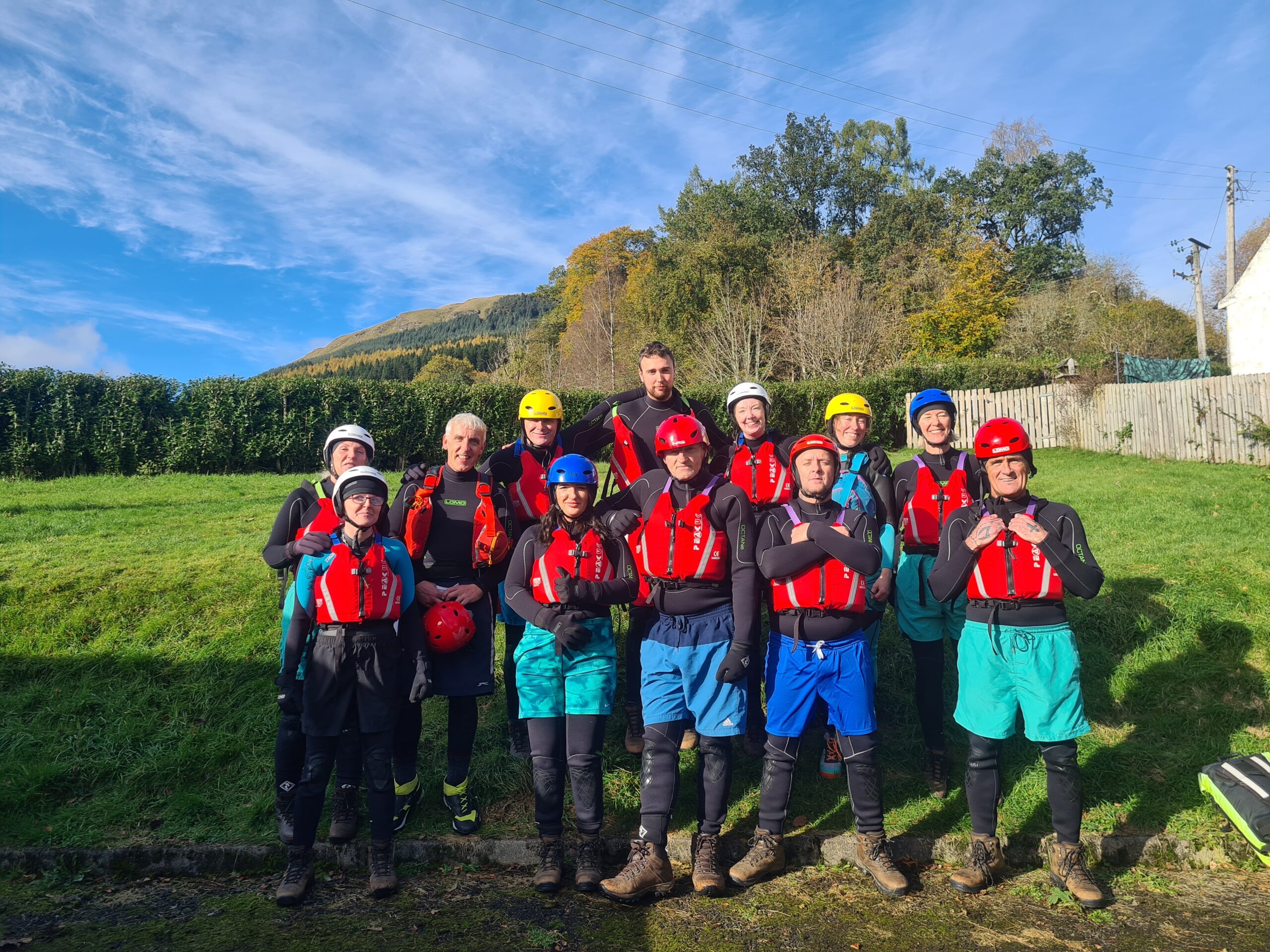
At the start, it was daunting. I can find people draining, and my answer had always been to cut them off. In those first few days I had to catch myself oversharing, interrupting, or withdrawing completely. When you’ve been isolated that long, learning how to be in a group again is a task in itself.
But very quickly, I knew I was safe. With Kat, Denise, David and the volunteers, it didn’t feel like being with workers. It felt like being with people who genuinely had your back. To find a group where I could be myself without feeling judged for my mental health, grief or recovery was a proper wee safe haven.
I brought myself up, I was in care, and I’ve been an addict since I was 13. I’m 55 now, and when you’ve lived with unhealthy coping mechanisms your whole life, they’re hard to break down. The progress was slow enough that I didn’t always see it happening, but my family did. They said I was more settled, less reactive, and more able to listen.
That was tested on the course. Me and Chic clashed at one point, and my instinct was to cut him off and walk away. But after 48 hours, I came back and took responsibility for my part. We apologised and moved on. Before, I would have cut my nose off to spite my face. This time, the growth I was getting mattered more.
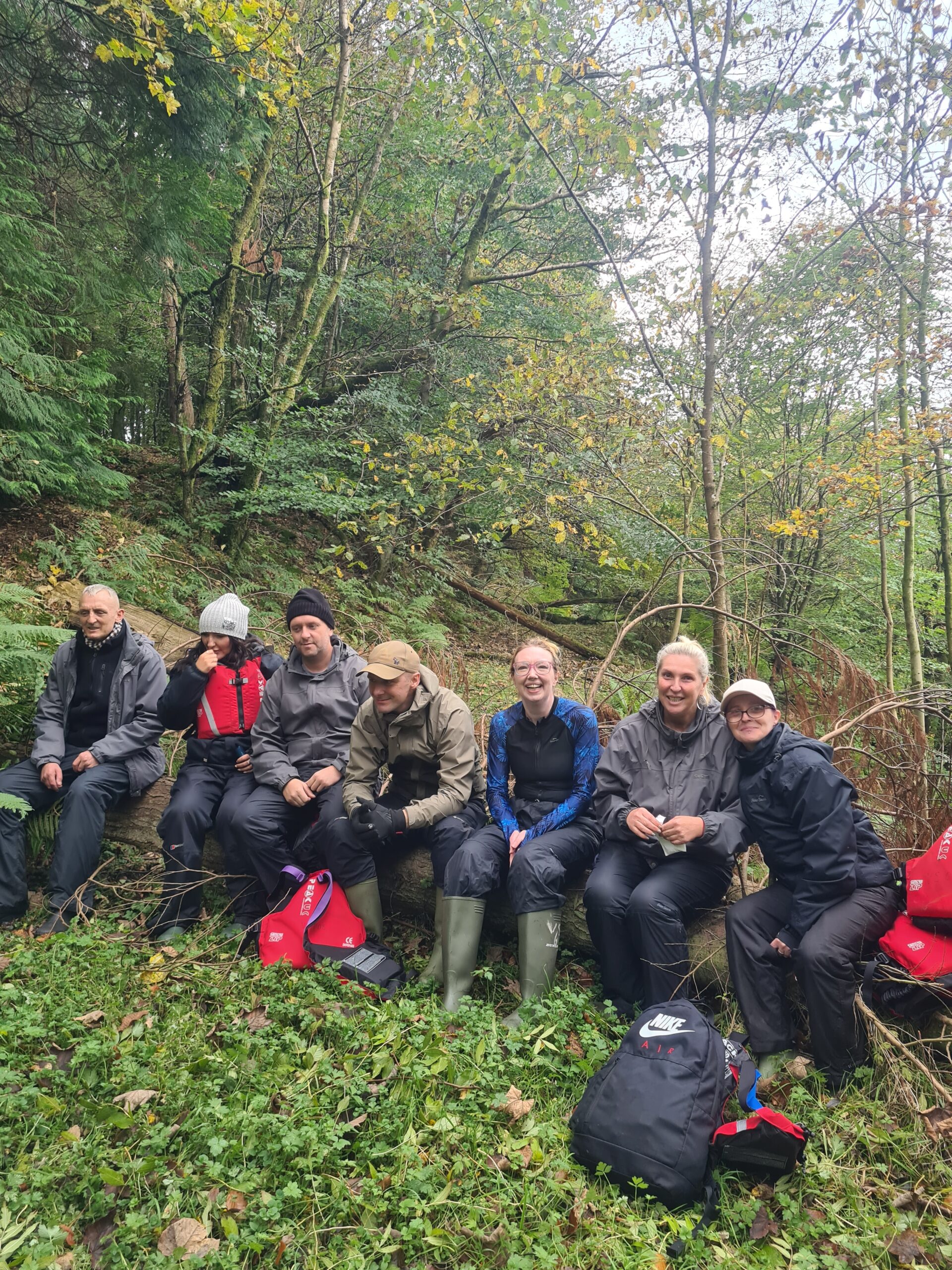
The group bonded quickly. We were different ages and at different stages, but we cared about each other deeply. Mark called me his wee ma, and Tina was a huge support. On mornings when I thought, “I cannae do this,” she’d give me a pep talk and I’d end up saying, “Right, I’m doing it anyway.”
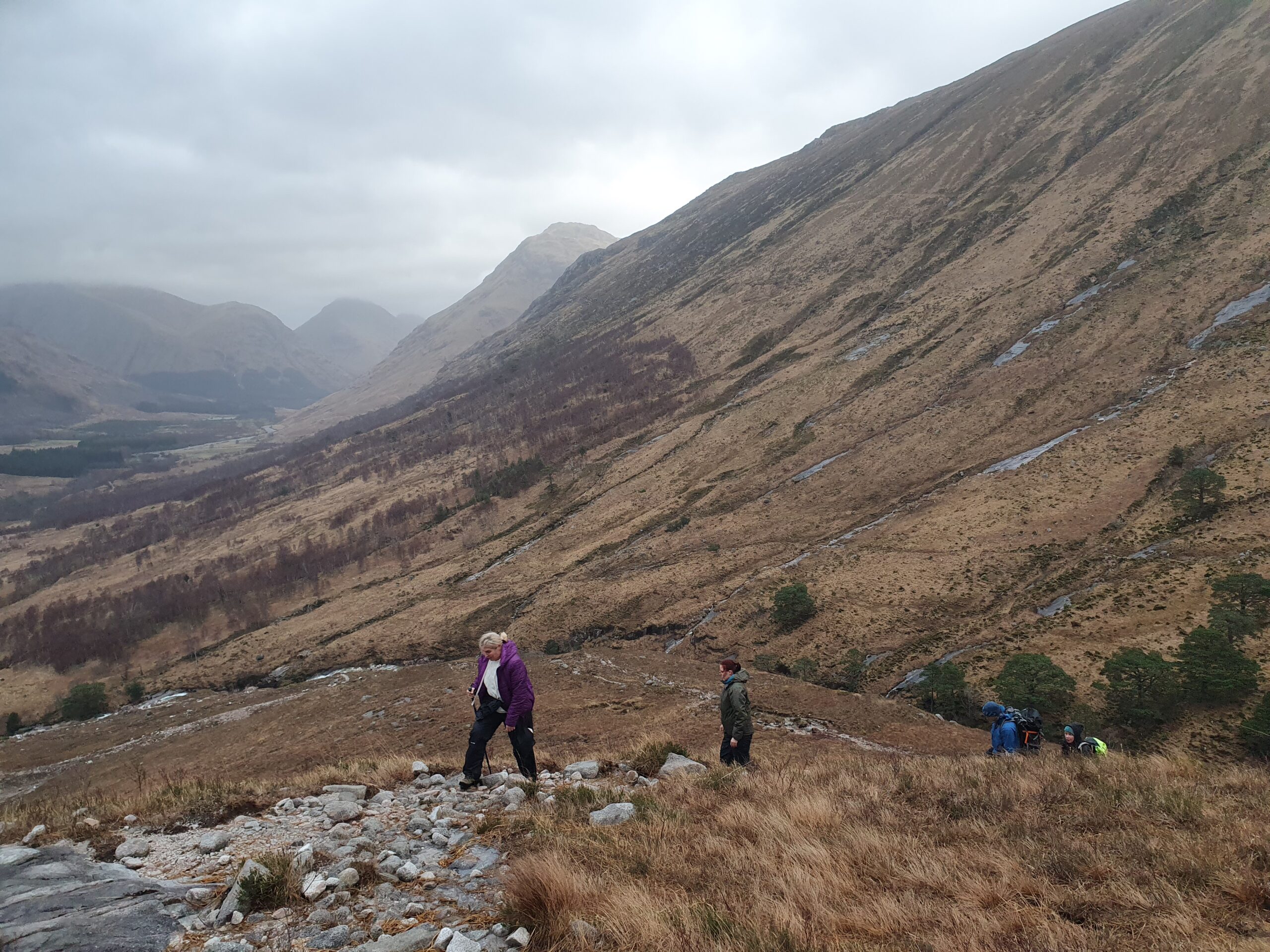
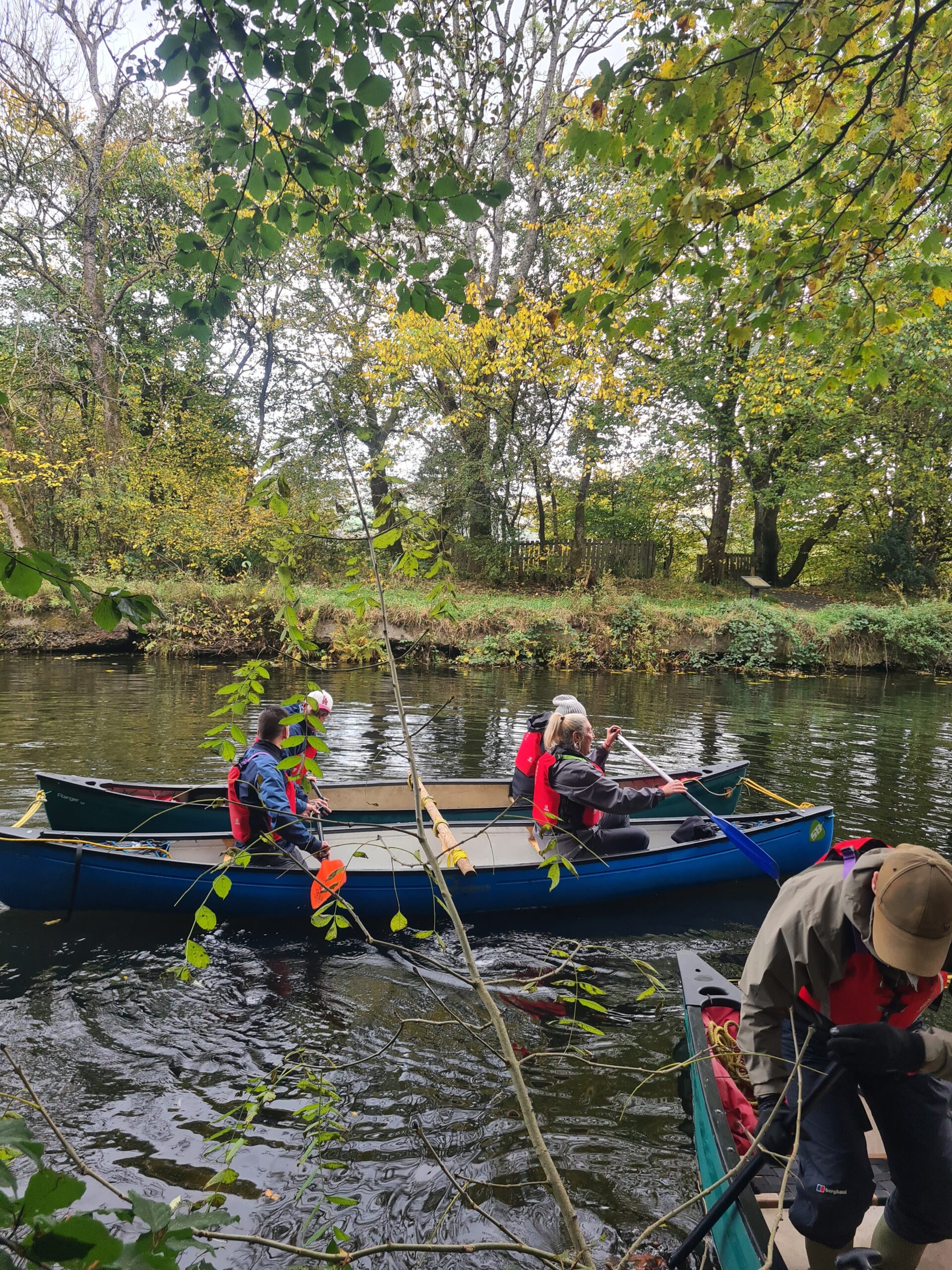
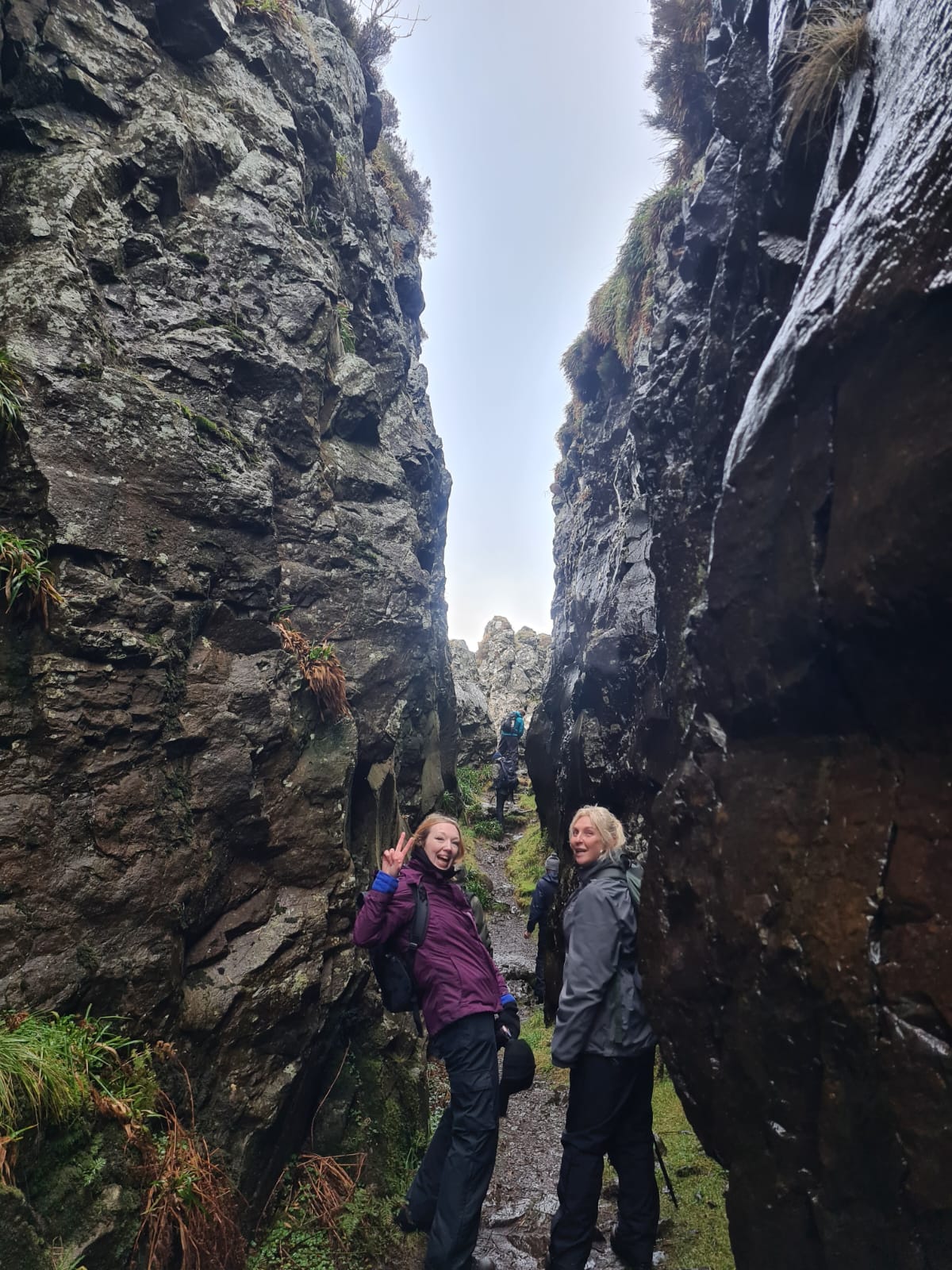
The physical challenges were hard. I have fibromyalgia, COPD, insomnia and other health stuff going on, so climbing and canoeing were genuinely difficult. But the biggest challenge was mental: changing my perspective from “I can’t do this” to “I’m scared, but I’m doing it anyway.”
Routine was huge too. Before, I could be awake all night before even going to a café because I was anxious about people. On Venture On, I came in every day with as much energy as I could muster. I only missed one day. It was the first thing I’d completed in a long time, and I’m proud of that.
The hardest part was the self-reflection: coming home exhausted, sitting with why I was crying, and working out what the day had brought up. But every time, I could also see what I’d got out of it. It was worth the wee bubbles and the nights without sleep.
Venture On changed how I see myself and the world. I’m more of a go-getter now. I learned about my behaviour, my recovery, my self-worth, and how I put myself out into the world. The self-worth alone was priceless. I think I’m a big deal now!
When the course ended, it was emotional. You don’t realise the impact of having that safe space until it’s not there two or three days a week. I felt lost without the routine and the chance to talk things through, especially with my daughter’s birthday and the anniversary of her death coming not long after. But then I’d remember what they taught me: baby steps, stop being so hard on yourself, and build your foundation.
Now, life feels more flowy. I’ve booked a holiday by myself. I’ve put myself forward to go to Romania with Stand International, with strangers, to support people in a deprived area. I’m looking at volunteering, I’ve started therapy, and I’m thinking about whether my future is in mental health, recovery, or something else altogether.
I might start an alcohol support group one day, but I’m not rushing. I still need more personal development, education, and time under my belt. That awareness is growth too. Before, I wasn’t great at seeing things through. Now I’m learning what I’m ready for and what I’m not ready for yet.
I still think I’ll always be a wee lone wolf. I can integrate now and be with people, but I’ll always have that part of me. The difference is, I don’t see myself the same way anymore. I’ve spent years calling myself crazy. Now I catch myself. I’m not crazy. I’m a rare breed.
Venture On needs to be done on a bigger scale because it has had more effect on my recovery than any other experience I’ve had. I learned more about myself, other people, my behaviour and how I put myself out into the world. I wouldn’t have been able to do that without Venture Scotland.
They created that safe space. They’re always behind you, always great with advice, and always ready to listen. I’ve been misunderstood my whole life, but when I came here, I’d never felt so comfortable.
I will shout from the rooftops to anybody that will listen: if you can get on this, go on it. It helped me stop saying “I can’t” and start saying, “I’m doing it anyway.” Now it feels like it’s my time.